Why Are the Leaves on My Christmas Cactus Limp? Fixes
Discover why your Christmas cactus leaves are limp and learn easy fixes to restore your plant's health and vibrant appearance.
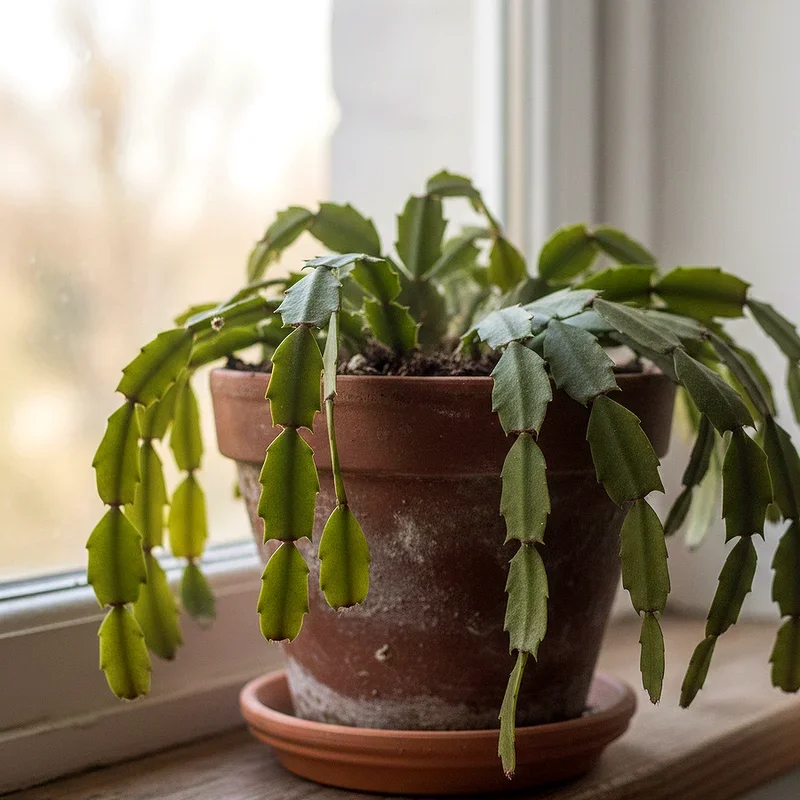
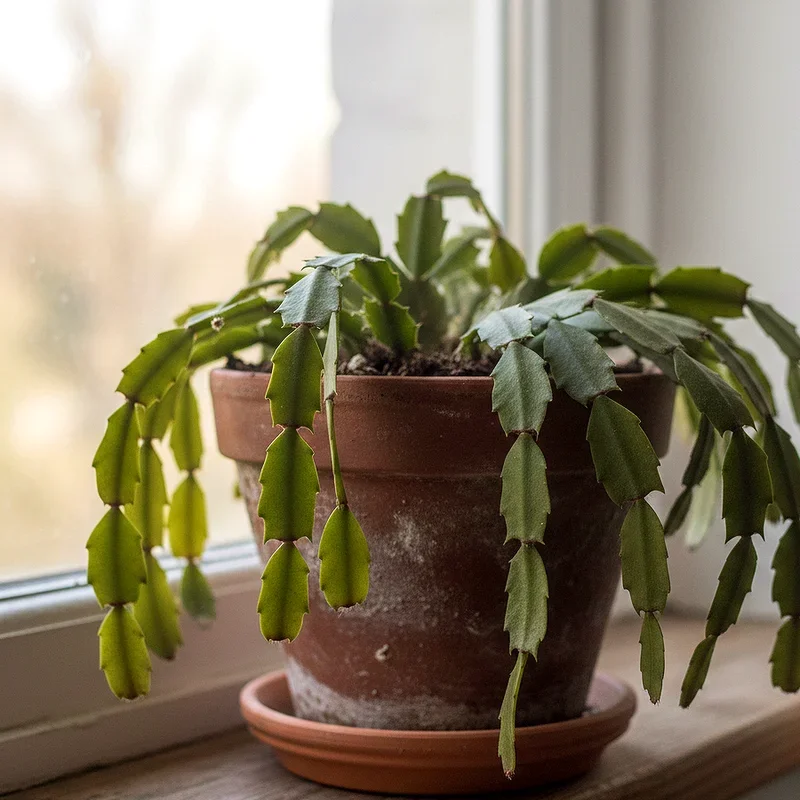
So, you have noticed your beloved Christmas cactus looking a bit under the weather, haven't you? Those once perky and vibrant leaves are now drooping like they have given up on life entirely. Well, don't panic just yet because you are definitely not alone in this struggle. Countless plant parents have walked into their living rooms only to find their festive friend looking rather sad and wilted. The good news is that understanding why are the leaves on my Christmas cactus limp fixes is actually simpler than you might think, and getting your plant back to its gorgeous self is totally doable. Christmas cacti are surprisingly resilient plants when you give them what they need. However, they can also be a tad dramatic when something goes wrong.
Understanding Your Christmas Cactus and Its Needs
Before we dive into the problems, let's get to know this fascinating plant a little better. Christmas cacti, scientifically known as Schlumbergera, are epiphytic plants that naturally grow on trees in humid forest environments. Unlike traditional cacti that store water in thick stems for desert survival, these plants prefer consistent moisture and indirect light.
Here is the thing that trips most people up. Many folks treat their Christmas cactus like a regular cactus, leaving it in direct sunlight and watering it sparingly. That approach is like giving a fish a bicycle, it just doesn't work. Your Christmas cactus wants humidity, moderate temperatures, and soil that stays slightly moist without becoming waterlogged. When any of these conditions fall out of balance, those beautiful segmented leaves start to droop and wrinkle.
Overwatering Is the Number One Culprit
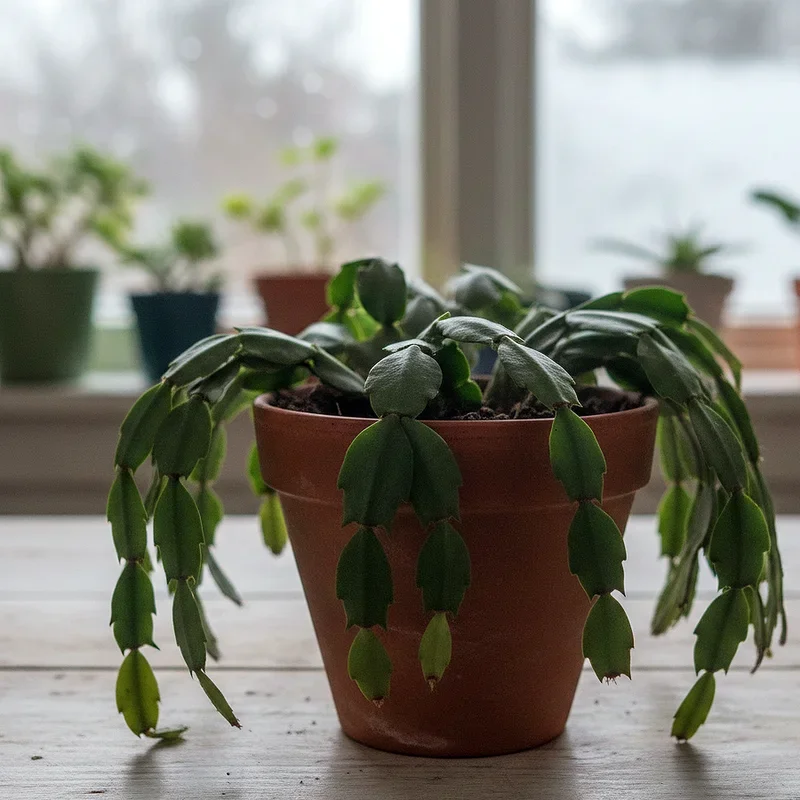
If your Christmas cactus leaves have gone limp, overwatering is probably the first suspect you should investigate. It sounds counterintuitive, right? You would think giving your plant more water would make it plumper, not limper. But here is what happens when you water too enthusiastically.
When roots sit in soggy soil for extended periods, they begin to suffocate and rot. Healthy roots need oxygen just as much as they need water, and waterlogged soil prevents air from reaching them. As the roots deteriorate, they lose their ability to absorb nutrients and moisture. Ironically, this causes the plant to show symptoms of dehydration even though it is drowning.
To check if overwatering is your problem, stick your finger about two inches into the soil. Does it feel wet or soggy? If so, you have found your answer. You might also notice a musty smell coming from the pot, which indicates root rot has set in. The soil surface may have white crusty deposits or even mold growth.
Fixing this issue requires immediate action. First, stop watering and let the soil dry out considerably. If the pot lacks drainage holes, repot your cactus immediately into a container that allows excess water to escape. Trim away any mushy or blackened roots with clean scissors, and repot in fresh well draining soil. A mix designed for succulents with added perlite works wonderfully.
Underwatering Creates Equally Limp Leaves
On the flip side, neglecting to water your Christmas cactus enough will also lead to limp, wrinkled leaves. When the plant doesn't receive adequate hydration, it starts using up the moisture stored in its leaf segments. Over time, those plump segments become thin, wilted, and floppy.
The telltale signs of underwatering include soil that has pulled away from the pot edges and feels bone dry to the touch. The leaves may look shriveled and feel papery thin rather than firm and succulent. Your plant might also develop a reddish or purplish tinge on its leaves, which signals stress.
Correcting underwatering is generally easier than dealing with root rot. Give your plant a thorough drink, allowing water to flow freely through the drainage holes. Let the excess drain completely before placing it back in its decorative pot. Going forward, establish a consistent watering schedule. Check the soil weekly and water when the top inch feels dry. During blooming season, your cactus may need water more frequently.
Temperature Stress Makes Everything Go Wrong
Christmas cacti are tropical plants that despise extreme temperature fluctuations. They thrive in temperatures between 60 and 70 degrees Fahrenheit and become quite unhappy when conditions stray outside this range. Cold drafts, heating vents, and sudden temperature drops can shock your plant into limpness.
Have you placed your cactus near a drafty window or right next to a radiator? That could explain those drooping leaves. Similarly, leaving your plant outdoors during a cool autumn night might have caused damage. Even air conditioning blowing directly on your cactus during summer months can create problems.
Moving your plant to a more stable location usually resolves temperature related issues within a couple of weeks. Find a spot away from doors that open frequently, heating and cooling vents, and single pane windows. A consistent environment helps your cactus recover its vigor and prevents future episodes of stress induced limpness.
Why Are the Leaves on My Christmas Cactus Limp Fixes for Light Problems
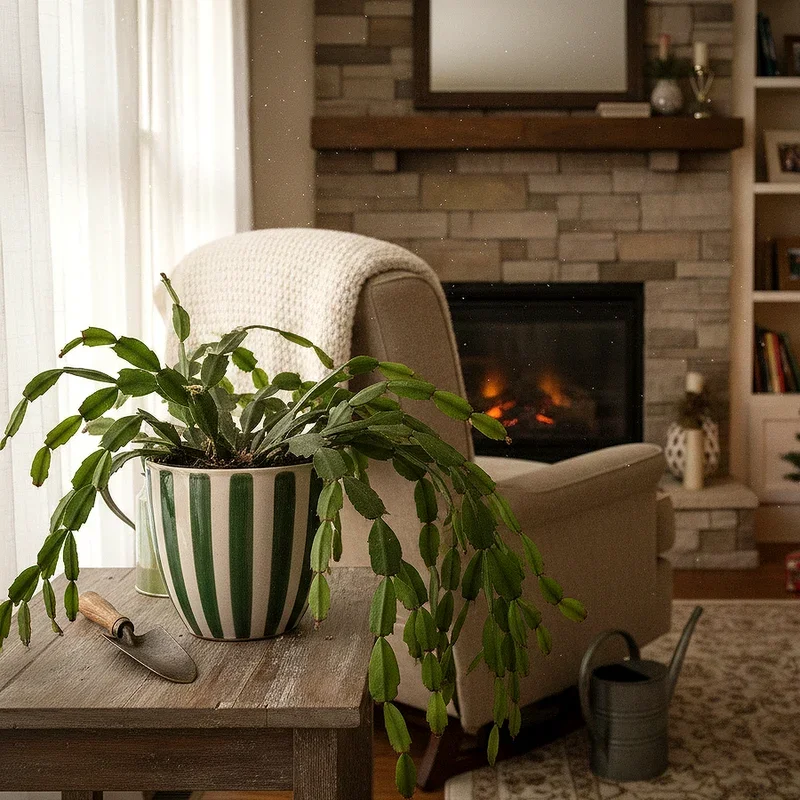
Lighting issues can definitely contribute to a droopy Christmas cactus. These plants enjoy bright indirect light but suffer when exposed to harsh direct sunlight. Too much sun scorches the leaves and causes them to turn yellow, red, or even bleached white before going limp.
Conversely, insufficient light weakens the plant over time. While your cactus won't immediately wilt from low light conditions, prolonged darkness makes it leggy and pale. The segments become elongated as the plant stretches toward any available light source, and overall health declines.
Finding the sweet spot involves placing your cactus near an east or north facing window where it receives gentle morning light or consistent indirect illumination. If your only available window faces south or west, hang a sheer curtain to filter the intense afternoon rays. You can also position the plant a few feet back from the window to reduce light intensity.
Root Bound Plants Struggle to Stay Healthy
Has your Christmas cactus been living in the same pot for several years? It might have become root bound, meaning the roots have filled every available space and started circling the container. When this happens, the plant struggles to absorb water and nutrients effectively, leading to those familiar limp leaves.
Signs of a root bound plant include roots growing out of drainage holes, water running straight through the pot without being absorbed, and stunted growth. You might also notice the soil drying out much faster than usual because there is simply more root than soil in the container.
Repotting into a slightly larger container gives your cactus room to spread its roots and access fresh nutrients. Choose a pot that is only one or two inches larger in diameter than the current one. Going too big too fast can lead to overwatering issues because the excess soil holds moisture the roots cannot use. Use fresh potting mix and water thoroughly after transplanting.
Pest Infestations Drain Your Plant's Energy
Sometimes the reason behind limp Christmas cactus leaves is tiny invaders you haven't even noticed yet. Common pests like mealybugs, spider mites, scale insects, and fungus gnats can wreak havoc on your plant's health. These critters feed on plant sap, essentially draining the life force from your cactus.
Check your plant carefully for signs of infestation. Mealybugs appear as cottony white masses in leaf joints and along stems. Spider mites leave fine webbing on the undersides of leaves. Scale insects look like small brown bumps attached to stems. Fungus gnats buzz around the soil surface, and their larvae damage roots.
Treating pest problems requires persistence. For mealybugs and scale, dab individual insects with a cotton swab dipped in rubbing alcohol. Spray spider mites off with water and treat with insecticidal soap. For fungus gnats, let the soil dry out between waterings and use sticky traps to catch adults. In severe cases, you may need to apply neem oil or a systemic insecticide according to package directions.
Nutrient Deficiencies Weaken Overall Health
Like all living things, Christmas cacti need proper nutrition to maintain their health. A plant that hasn't been fertilized in years may develop limp leaves simply because it lacks essential nutrients. The most common deficiencies involve nitrogen, phosphorus, potassium, and various micronutrients.
Symptoms of nutrient deficiency often include pale or yellowing leaves alongside limpness, slow growth, and failure to bloom. The oldest leaves typically show problems first as the plant redirects limited nutrients to newer growth.
Feeding your cactus during its active growing season from spring through early fall supports healthy development. Use a balanced liquid fertilizer diluted to half strength every two to four weeks. Avoid fertilizing during late fall and winter when the plant is dormant or setting buds for blooming. Too much fertilizer can actually cause more harm than good, so stick to the recommended schedule.
Humidity Levels Matter More Than You Think
Remember how Christmas cacti come from humid rainforests? Your home's dry air, especially during winter when heating systems run constantly, can stress your plant significantly. Low humidity causes moisture to evaporate from those fleshy leaf segments faster than the roots can replace it.
If the air in your home measures below 50 percent relative humidity, your cactus may struggle. You might notice the leaf edges becoming crispy or the entire plant looking generally deflated despite proper watering.
Boosting humidity around your plant makes a noticeable difference. Group your houseplants together so they create a humid microclimate through transpiration. Place your cactus on a pebble tray filled with water, ensuring the pot sits on the pebbles rather than in the water. Running a humidifier nearby during dry months provides consistent moisture in the air. You can also mist your plant occasionally, though this provides only temporary relief.
Transplant Shock Takes Time to Overcome
Did you recently repot your Christmas cactus or bring home a new plant? Transplant shock commonly causes temporary limpness as the plant adjusts to its new environment. The roots need time to establish themselves in fresh soil and begin functioning normally again.
This type of limpness typically resolves on its own within a few weeks, provided you give proper care during the recovery period. Keep the soil lightly moist but not soggy. Place the plant in indirect light and protect it from temperature extremes. Avoid fertilizing until you see new growth, which indicates the roots have settled in.
Patience really is key here. Resist the urge to keep fiddling with your plant or moving it around. Each change adds more stress to an already stressed cactus. Just provide stable conditions and let nature take its course.
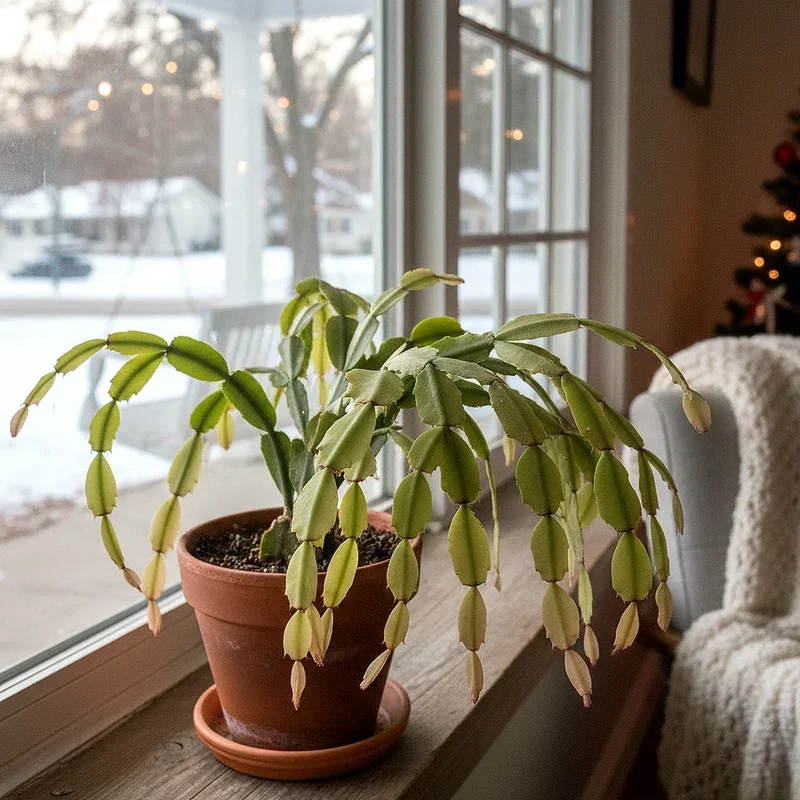
Why Are the Leaves on My Christmas Cactus Limp Fixes Through Seasonal Care
Understanding your plant's seasonal needs helps prevent limpness before it starts. Christmas cacti have distinct growing and resting phases throughout the year, and adjusting your care accordingly keeps them healthy.
During spring and summer, your cactus actively grows and needs regular watering, fertilizing, and bright indirect light. This is the time to address any repotting needs and watch for pest problems. As fall approaches, reduce watering and stop fertilizing to encourage bud formation. The plant needs about six weeks of cooler temperatures and longer nights to trigger blooming.
After the holiday flowering period, give your cactus a rest. Water sparingly and keep it in a slightly cooler location for a few weeks. This dormancy period allows the plant to recover from the energy expenditure of blooming. Then, as spring returns, gradually increase water and resume your regular care routine.
Conclusion
Getting to the bottom of why are the leaves on my Christmas cactus limp fixes really comes down to understanding what your plant needs and providing consistent care. Whether the culprit is watering issues, temperature stress, lighting problems, pests, or something else entirely, most problems have straightforward solutions. With a little detective work and some patience, you can nurse your droopy cactus back to health and enjoy its stunning blooms for many holiday seasons to come.
Read next: 15 Christmas Cookie Decorating Ideas for Festive Treats
Frequently Asked Questions
Q1. How often should I water my Christmas cactus to prevent limp leaves?
A: Water when the top inch of soil feels dry, typically every one to two weeks.
Q2. Can I save a Christmas cactus with severe root rot?
A: Yes, trim rotted roots, repot in fresh soil, and reduce watering going forward immediately.
Q3. Why do my Christmas cactus leaves turn red and limp?
A: Red leaves indicate stress from too much sun, cold temperatures, or insufficient nutrients.
Q4. Should I mist my Christmas cactus to increase humidity levels?
A: Misting helps temporarily, but pebble trays or humidifiers provide more consistent humidity benefits.
Q5. How long does it take for a limp Christmas cactus to recover?
A: Most plants show improvement within two to four weeks with proper care and adjustments.
Stay up to date with our latest ideas!