How to Fix Christmas Lights Step-by-Step Guide
Learn how to troubleshoot and repair broken Christmas lights quickly. Simple fixes for bulbs, fuses, and wiring to brighten your holiday display.
There's nothing quite like the sinking feeling you get when you pull out your beloved Christmas lights, plug them in, and... nothing happens. You stand there, staring at those lifeless strands, wondering if the holiday spirit just packed up and left town. But here's the thing: those lights aren't necessarily destined for the trash bin just yet. Most Christmas light problems are surprisingly fixable, even if you're not exactly a wizard with electrical stuff. Whether you've got vintage incandescent bulbs or those newfangled LED strings, light malfunctions are pretty much a holiday tradition at this point. Maybe half the strand is dark, or perhaps the whole thing refuses to cooperate. Whatever the case, you don't need to be an electrician or shell out money for replacements.
Understanding Why Christmas Lights Fail
Before diving into repairs, it helps to know what you're dealing with. Christmas lights fail for a bunch of reasons, and honestly, most of them are pretty straightforward once you understand the basics.
The most common culprit? Bad bulbs. When one bulb goes out in older light strings, it can take down an entire section. That's because these lights are wired in series, meaning electricity flows through each bulb to reach the next one. If one bulb breaks or loosens, it's like a roadblock on a highway, stopping everything behind it.
Then there are blown fuses. Every light strand has tiny fuses tucked inside the plug, protecting the whole string from electrical surges. Sometimes these little guys burn out, especially if you've been daisy-chaining too many strands together. And let's not forget about worn-out wiring, corroded sockets, or those pesky loose connections that develop after years of being stuffed into storage boxes.
Essential Tools You'll Need
Good news: you probably already have most of what you need lying around the house. Grab a replacement bulb or two, a small flathead screwdriver, and maybe a voltage tester if you want to get fancy. A light keeper or bulb tester can be super helpful too, though they're not absolutely necessary.
Having replacement fuses on hand is clutch, since these are specific to your light brand and not something you can improvise. Check the original packaging or look inside the plug housing to see what type you need. Some folks swear by keeping a little repair kit stashed with their decorations, which honestly isn't a bad idea.
How to Fix Christmas Lights Step-by-Step Guide: Initial Troubleshooting
Alright, let's get down to business. First things first: check the obvious stuff. Is the strand actually plugged in? Yeah, it sounds silly, but you'd be amazed how often that's the issue. Next, try plugging the lights into a different outlet to rule out problems with the socket itself.
Give the entire strand a good visual inspection. Look for any obvious damage like broken bulbs, exposed wires, or burnt spots. If you spot a cracked bulb, that's likely your troublemaker right there. Also, gently push each bulb to make sure they're seated properly in their sockets. Loose bulbs are sneaky little problems that can knock out entire sections.
Check if any section of the strand is working. If part of it lights up but the rest doesn't, you've narrowed down where the problem lives. This tells you the issue is somewhere between the last working bulb and the first dead one.
Replacing Blown Fuses
When the entire strand is dead and you've ruled out outlet issues, the fuses are your prime suspects. Here's how to check and replace them without making things worse.
Unplug the lights. Seriously, unplug them. Safety first, always. Locate the small sliding door or compartment on the male plug. You might need a flathead screwdriver to pop it open, depending on the design. Inside, you'll find two tiny fuses, usually tucked into spring-loaded slots.
Carefully remove both fuses and hold them up to the light. A blown fuse will have a blackened or broken filament inside the tiny glass cylinder. If you can't tell by looking, test them with a multimeter if you have one. Replace any blown fuses with new ones that match the exact amperage rating printed on the original. Pop them back in, close the compartment, and give your lights another try.
Identifying and Replacing Faulty Bulbs
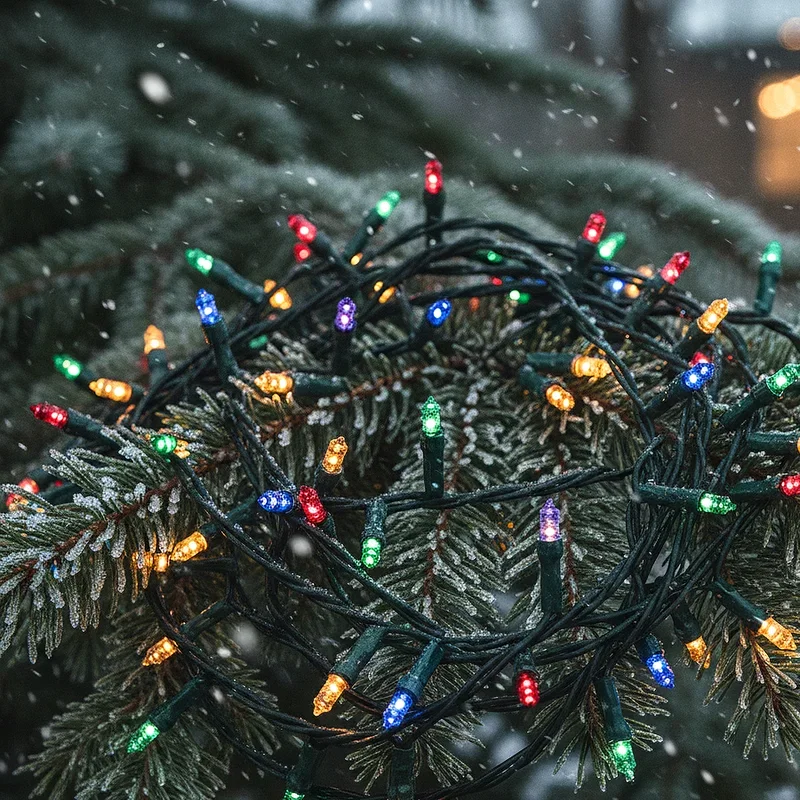
So the fuses are fine, but your lights still aren't cooperating? Time to hunt down the problem bulb. This can feel like searching for a needle in a haystack, but there are tricks to make it easier.
Start with the section that's not working. If you have a light tester, work your way down the strand, testing each bulb until you find the dead one. No tester? No problem. Look for bulbs that appear darkened, cracked, or loose. Sometimes you can spot a broken filament inside the glass if you look closely.
Here's a pro tip: when you find a suspicious bulb, don't just yank it out. Gently pull it straight out while supporting the socket. Inspect the base of the bulb for corrosion or damage. Replace it with a bulb of the same voltage and wattage. Pop the new bulb in, making sure it's snug, and test the strand again.
Fixing Entire Dark Sections
When a whole section goes dark, you're probably dealing with either a bad bulb or a shunt issue. The shunt is a tiny piece of wire inside each bulb that's supposed to keep electricity flowing even if the filament breaks. Sometimes these fail, creating that dreaded dark section.
Using a light keeper tool can save you tons of time here. These gadgets send a pulse through the strand that can sometimes fix the shunt issue without having to replace anything. Just follow the tool's instructions, which usually involve placing it against a bulb in the dark section and pressing a button.
If the light keeper doesn't work, you'll need to test bulbs individually in the dead section. Replace any that test bad, and don't forget to check the bulbs at the very start and end of the dark section too.
Dealing with LED Christmas Light Issues
LED lights are different beasts compared to traditional incandescent strings. They're more durable overall, but when they fail, the fixes can be trickier. The good news? They usually fail less dramatically.
LED strands typically use resistors and rectifiers that can go bad. If your LED lights are flickering or only partially lighting, the issue might be with these components rather than individual bulbs. Unfortunately, these parts aren't usually user-replaceable without some serious soldering skills.
For LED strings, focus on checking connections first. Make sure every plug connection is secure and free from moisture or corrosion. Inspect the controller box if your lights have different settings or patterns. Sometimes resetting the controller can solve weird behavior. If individual LED bulbs are out, you can try replacing them, but make sure you get the exact right type since LEDs are more specific than incandescent bulbs.
Repairing Damaged Wiring
Found a section of wire that's frayed, cut, or otherwise damaged? This is where things get a bit more serious. If the damage is extensive, honestly, it might be safer to replace the whole strand. But for minor wire damage, electrical tape can be your friend.
Clean the damaged area and wrap it tightly with electrical tape, making sure you cover at least an inch on either side of the damage. Make multiple layers for extra protection. If wires are completely severed, you'll need to strip the ends, twist them back together matching the correct wires, and then wrap them thoroughly with electrical tape. Better yet, use wire nuts for a more secure connection.
Never, and I mean never, use damaged lights where the wiring is severely compromised. It's just not worth the fire risk, no matter how much you love those particular lights.
Preventing Future Problems
Once you've gotten your lights working again, you'll want to keep them that way. Proper storage makes a huge difference. Instead of cramming them into a box, wrap each strand around a piece of cardboard or use a dedicated light storage reel. This prevents tangling and protects the wires from getting crushed.
Store your lights in a dry, temperature-controlled place if possible. Extreme temperatures and humidity can wreak havoc on both bulbs and wiring. Before packing them away each year, give them one last test run to identify any problems while the lights are still fresh in your mind.
When hanging lights, avoid pulling or tugging too hard on the wires. Use proper clips and hangers instead of staples or nails, which can damage the insulation. And here's a big one: don't overload circuits by connecting too many strands together. Check the manufacturer's recommendations for maximum connections.
When to Call It Quits
Look, I'm all for fixing things and being thrifty, but sometimes lights just aren't worth saving. If you've spent more than an hour troubleshooting and you're still getting nowhere, it might be time to move on. Your time and sanity have value too.
Lights with extensive wire damage, multiple bad sections, or corroded sockets throughout are probably past their prime. Same goes for really old strands that have been repaired multiple times already. At some point, the safety risk outweighs the savings. Modern LED lights are so affordable and energy-efficient now that replacement often makes more sense than extensive repairs.
Trust your gut. If something feels unsafe or looks sketchy, don't use it. Holiday decorations should bring joy, not anxiety about potential fire hazards.
Alternative Solutions and Quick Fixes
Sometimes you need your lights working right now, and proper repairs will have to wait. There are some quick workarounds that can get you through in a pinch, though these aren't permanent solutions.
If you've got a section that won't light and you can't figure out why, you can sometimes bypass it by cutting it out and splicing the working sections together. This requires some electrical know-how and proper wire connectors, so only attempt it if you're comfortable with basic wiring.
Another trick: if you're missing replacement bulbs, you can sometimes borrow a working bulb from another strand temporarily to test whether that's really the problem. Just remember to swap it back later and get proper replacements.
For outdoor lights with moisture issues, letting them dry completely in a warm place for a day or two sometimes does the trick. Moisture can cause all sorts of weird problems that magically disappear once everything dries out.
Understanding Series vs Parallel Wiring
Here's something that'll make troubleshooting easier: understanding how your lights are wired. Most traditional Christmas lights use series wiring, where current flows through each bulb sequentially. That's why one bad bulb can kill an entire section.
Some newer strands use parallel wiring, where each bulb has its own direct connection to the power source. These are more forgiving because one bad bulb won't affect the others. However, they're generally more expensive and less common in standard Christmas light sets.
Knowing which type you have helps you understand what to expect when problems arise. Series lights will typically have entire sections go dark, while parallel lights will show individual dead bulbs with the rest still working fine.
Testing with a Multimeter
If you really want to level up your Christmas light repair game, learning to use a multimeter opens up new diagnostic possibilities. These devices measure electrical current and can help you identify exactly where problems are occurring.
Set your multimeter to measure voltage and carefully test the strand while it's plugged in. You can check if voltage is reaching specific sections or if it's getting lost somewhere along the way. This takes the guesswork out of finding problem areas.
You can also test individual bulbs with a multimeter set to measure continuity. A good bulb will show continuity, while a bad one won't. This is faster than swapping bulbs one by one, especially when you're dealing with long strands.
Safety Considerations You Cannot Ignore
Working with electricity, even the relatively low voltage in Christmas lights, requires respect and caution. Always unplug lights before working on them. Always. No exceptions, no matter how careful you think you're being.
Never use damaged lights, especially outdoors where moisture can create shock hazards. Make sure outdoor lights are actually rated for outdoor use. Indoor lights outdoors are a recipe for problems at best and dangerous at worst.
Don't exceed the recommended number of connected strands. Each connection point creates resistance and heat, and too many connections can overload the circuit or cause the plug to overheat. When in doubt, use separate outlets or a properly rated power strip.
Check lights regularly while they're in use. If you notice any bulbs getting extremely hot, flickering weirdly, or if you smell burning plastic, unplug everything immediately and investigate.
Maintaining Your Repaired Lights
After going through the effort of fixing your lights, a little maintenance goes a long way toward keeping them functional. Before each use, do a quick inspection for any new damage or loose bulbs. It takes five minutes and can prevent bigger headaches later.
Clean your lights gently before storing them. Dust and dirt can accumulate in sockets and on bulbs, potentially causing poor connections. A soft cloth or gentle brush works fine. Just make sure everything's unplugged first.
Consider labeling strands that you've repaired, noting what was fixed and when. This helps you keep track of which lights might need extra attention or replacement in coming years.
Conclusion
Fixing Christmas lights doesn't have to be a headache that ruins your holiday spirit. Armed with the right knowledge and a bit of patience, most common problems are totally manageable. Whether you're dealing with blown fuses, bad bulbs, or mysterious dark sections, the How to Fix Christmas Lights Step-by-Step Guide approach makes troubleshooting systematic rather than overwhelming. Remember, sometimes the best fix is knowing when to move on and grab new lights, but more often than not, you can breathe new life into those beloved strands and keep your holiday traditions glowing bright.
Read next: 15 Christmas Ornament Ideas to Decorate Your Tree
Frequently Asked Questions
Q1: Why does only half of my Christmas light strand work?
A: A bad bulb or blown fuse between sections is blocking electrical flow completely.
Q2: Can I replace just one bulb in an LED Christmas light strand?
A: Yes, but ensure you match the exact voltage and LED bulb type precisely.
Q3: How many Christmas light strands can I safely connect together?
A: Check manufacturer guidelines, but typically three strands maximum for standard incandescent lights safely.
Q4: What causes Christmas light fuses to blow repeatedly?
A: Overloading circuits by connecting too many strands or using damaged lights causes repeated fuse failure.
Q5: Are old Christmas lights worth repairing or should I replace them?
A: Repair simple issues, but replace lights with extensive damage or multiple recurring problems immediately.
Stay up to date with our latest ideas!